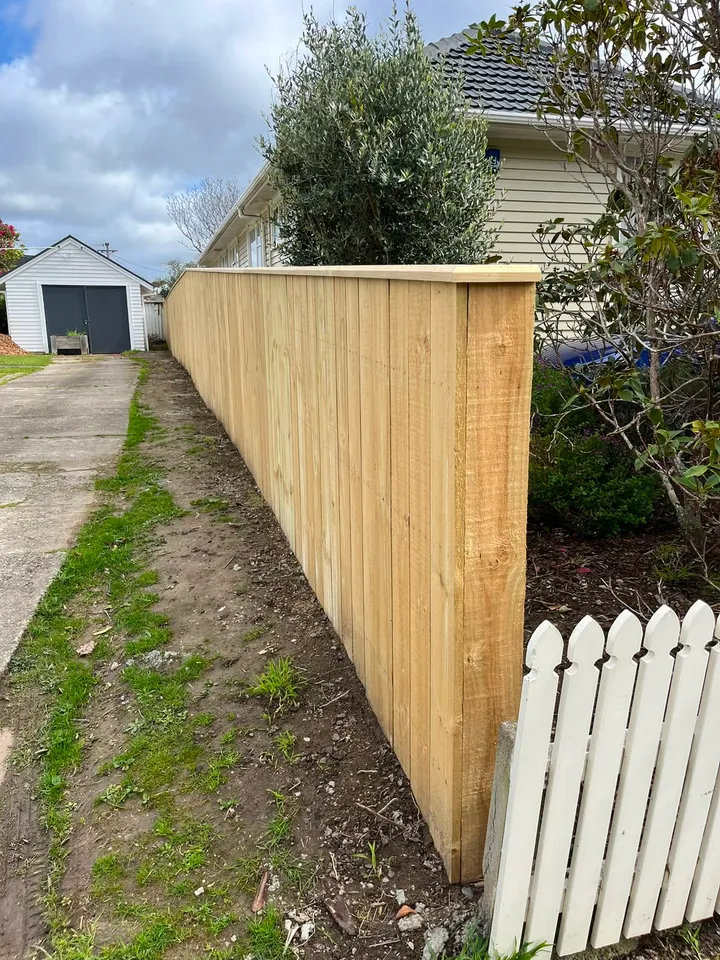
Wellington Fence Painting, Staining and Sealing
A fresh coat does more than change the colour. The right paint, stain or sealer slows weathering, reduces splitting and keeps a timber fence looking sharp through Wellington's sun, rain and salt-laden wind. We prepare it properly and apply it right.
Fence Painting, Staining and Sealing in Wellington
Bare timber fences turn grey, dry out and start to split surprisingly quickly in Wellington's mix of strong UV, driving rain and constant wind. A good coating slows that process down and gives your outdoor space a finished look. As local fence builders in Wellington, we understand how timber fences are put together and how they move, which helps us choose a coating that actually suits the fence rather than one that peels in a season.
We coat new fences once the timber is ready, refresh faded or patchy fences, and change colours completely. Whether you want a natural timber look, a bold dark stain that makes plants pop, or a painted finish to match the house, we'll recommend a product and approach that suits your fence, your exposure and how much ongoing maintenance you're happy with.
Tell us about your project
Free, no-obligation quote.
Fence Painting, Staining and Sealing Services in Wellington
Protection from Wellington Weather
Rain, wind, salt air and UV exposure all wear timber fences down, so a quality stain, paint or sealer helps protect the wood from moisture, cracking and fading, extending the life of your fence. Good finishes keep fences looking tidy.
Preparation That Lasts
Good finishes depend on good preparation, so we clean, scrape and prepare surfaces properly, repairing small defects and ensuring coatings adhere well and deliver an even, long-lasting result. Time spent on preparation makes new coatings look better and last longer.
Colour and Finish Choices
Choose from natural stains, solid colours and clear sealers that enhance the timber or complement your house, giving you a tidy, attractive boundary that suits your style and garden. Good colour choices can brighten your section and complement your home.
Suitable Products for Timber
We use exterior-grade products designed for New Zealand conditions, helping you achieve good coverage, weather resistance and fade protection, with finishes that suit both new and weathered timber. Quality coatings soak in properly and protect against moisture and UV damage.
Protecting Gardens and Surroundings
We cover plants, paths and nearby structures, and control overspray and drips, so your garden, paving and neighbouring property stay clean while your fence is refreshed. Careful masking keeps paint and stain where it belongs and leaves your property clean.
Maintenance Advice
We explain how often your fence should be recoated and how to look after it, so you can maintain its appearance and protection and avoid expensive repairs or replacement down the track. Simple regular care keeps fences looking good longer.
Paint, Stain or Sealer?
Each type of coating behaves differently on an outdoor fence. Here's how they compare.
Stain
Soaks into the timber and lets the grain show through. Stains are popular for paling fences because they don't form a film that can peel, and recoating is usually straightforward.
Paint
Forms a solid, opaque film for a crisp, uniform colour. Paint suits smooth or dressed timber and picket fences, but it needs good preparation and eventually needs sanding back where it flakes.
Clear Sealer or Oil
Keeps the natural look of the timber while adding water repellency. Clear finishes give less UV protection than pigmented ones, so they generally need recoating more often.
Why Prep Makes or Breaks the Finish
Most coating failures come from what happened before the brush came out. Applying fresh product over dirt, mould or loose old coating just traps the problem. Our preparation can include:
- Washing off dirt, cobwebs and salt build-up
- Treating mould, mildew and lichen
- Scraping and sanding flaking paint
- Punching protruding nails and refixing loose boards
- Letting the timber dry fully before coating
- Protecting plants, paths and walls from drips and overspray
If we find broken palings or rotten posts during prep, we'll let you know. It's far better to sort those through our fence repairs service before coating than to paint over a problem.
Coating a Brand-New Timber Fence
New treated timber often contains moisture from the treatment process and won't absorb a coating well straight away. Applying too early can lead to patchy colour or poor adhesion. The right waiting time depends on the timber, the weather and the product, so we check the timber rather than following a fixed rule.
If you've just had a wooden fence built, we can come back once the timber is ready and coat it in one visit. For new fences we'll typically:
- Check moisture and how the timber takes water
- Follow the coating manufacturer's guidance
- Coat end grain and cut edges where reachable
- Apply evenly to avoid lap marks along the run
- Allow proper drying between coats
- Advise on when the first recoat may be due
Choosing a Coating for Your Site
Where your fence sits affects how fast a finish wears. We take exposure into account when recommending a product and colour.
Coastal Sites
Salt spray and wind-blown grit wear coatings faster. Regular washing and a durable pigmented finish help.
Sunny North Faces
Strong UV fades colour and dries timber out. Pigmented stains and paints protect better than clear finishes here.
Shady, Damp Spots
Fences in shade stay wet longer and grow mould. Good cleaning and a breathable finish make a big difference.
Painting a Fence You Share With a Neighbour
On a boundary fence, each side faces a different property. Generally you're free to coat your own side, but it's courteous — and avoids disputes — to talk to your neighbour before changing the colour of anything they can see, and you'll need their permission to work from their property. If you're both keen, coating both sides at once often gives a more even, longer-lasting result. Our boundary fencing page has more on shared fences in general.
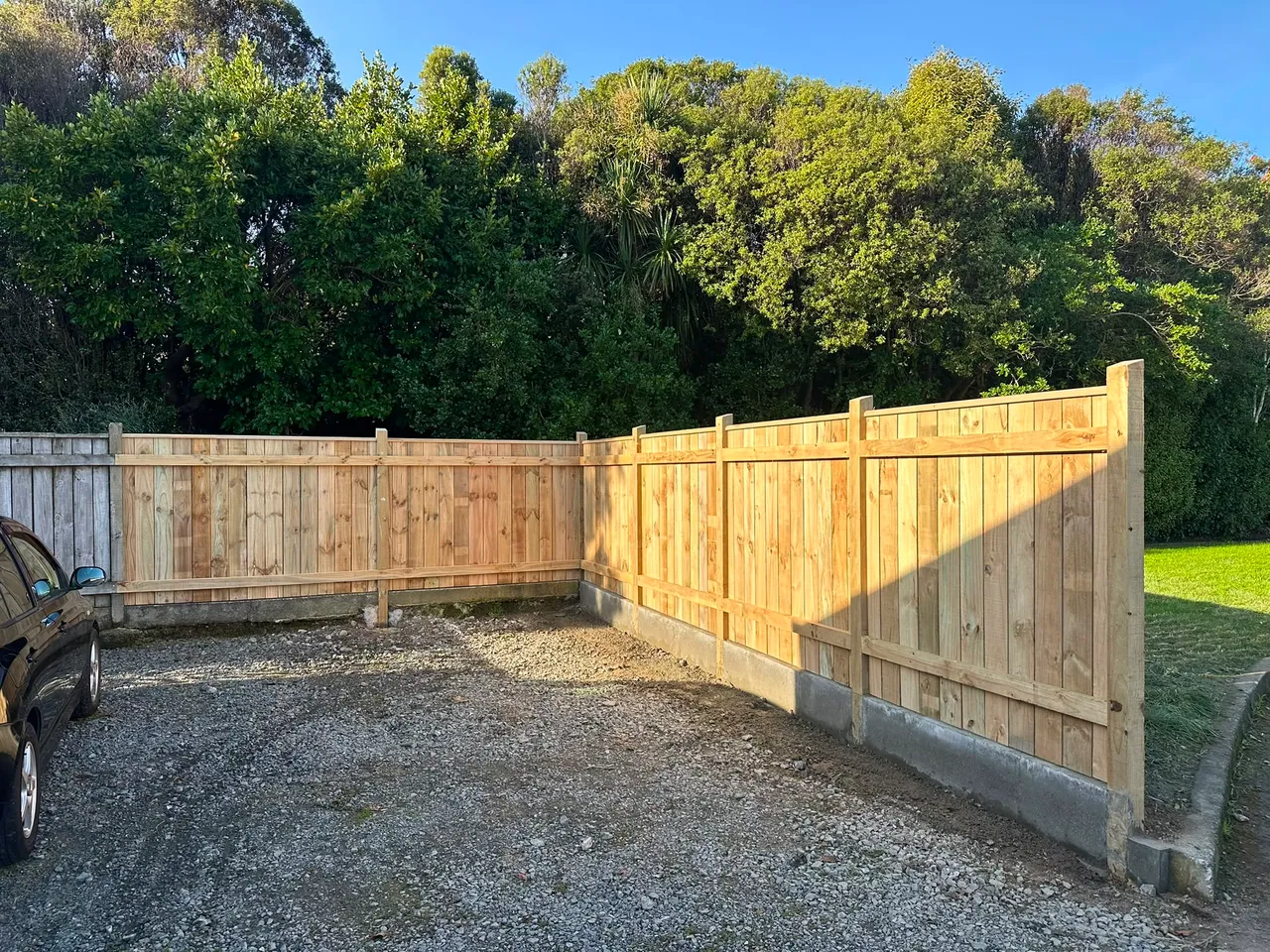
Why Choose Our Fence Painting, Staining and Sealing Contractors in Wellington
Wellington's rain, wind, salt air and UV exposure are hard on timber fences, so quality protection makes a real difference. Our contractors prepare surfaces properly by cleaning, scraping and repairing small defects, so stains, paints and sealers bond well and last. We use exterior-grade products designed for New Zealand conditions and help you choose colours and finishes that suit your home and garden. Plants, paths and neighbouring properties are protected from drips and overspray. Clear quotes, tidy work and practical maintenance advice help extend the life of your whole fence and avoid expensive repairs or early replacement down the track.
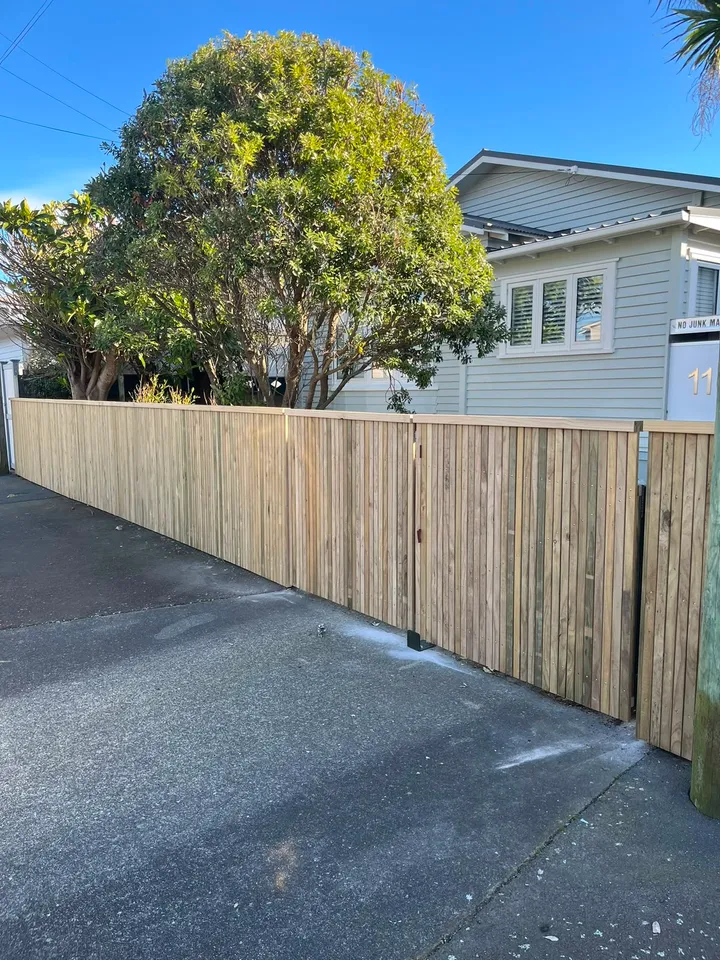
Fence Painters and Stainers in Wellington: How We Work
1. Inspect and Recommend
We look at the timber, existing coating and exposure, then recommend paint, stain or sealer and talk through colours.
2. Prepare the Surface
We clean, treat, scrape and repair as needed, protect the surroundings, and wait for dry weather and dry timber.
3. Apply and Check
We apply the coats evenly, check coverage along the whole run, tidy up and leave you with care advice.
Selected Local Work
Wellington Fencing Projects
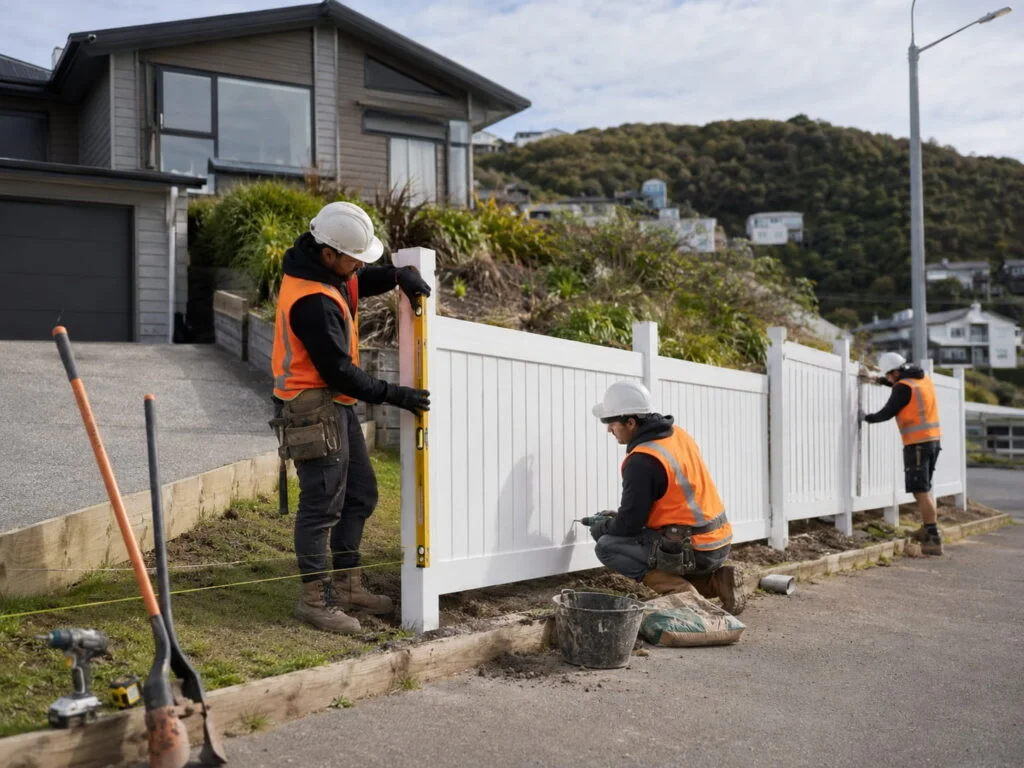
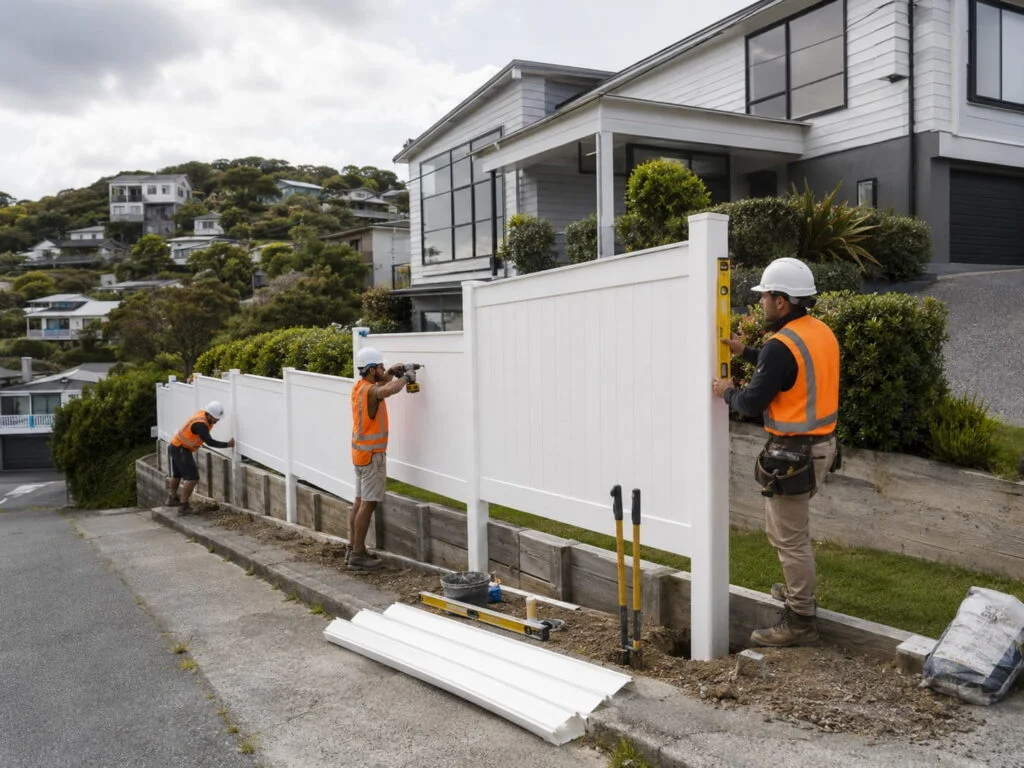
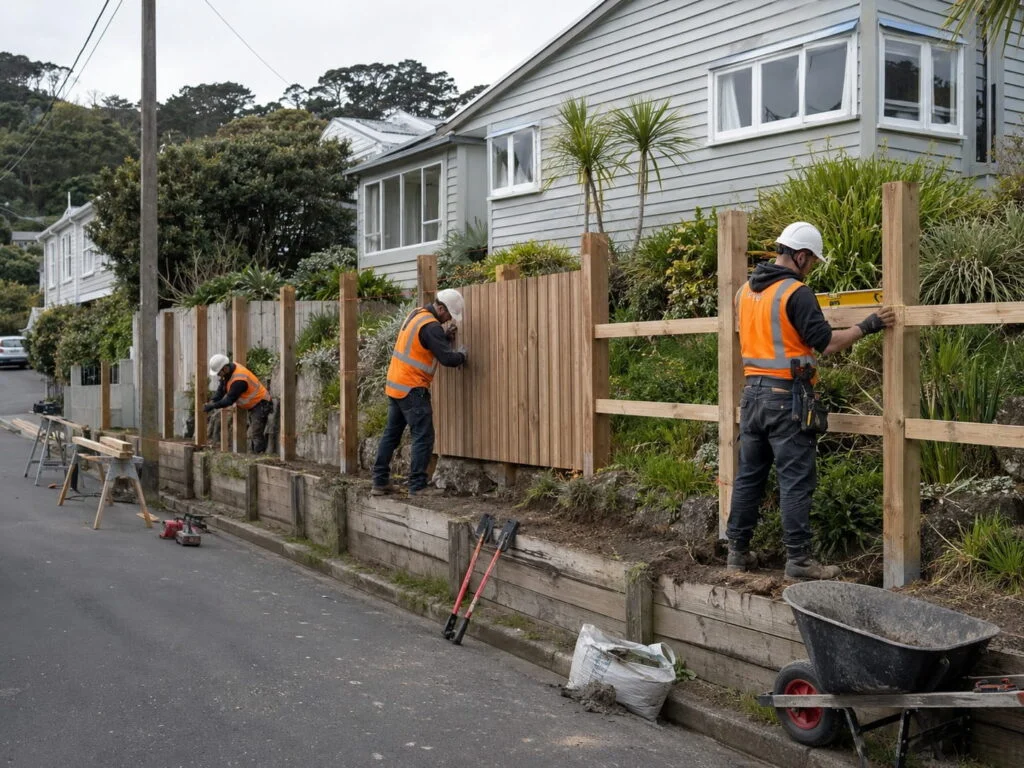
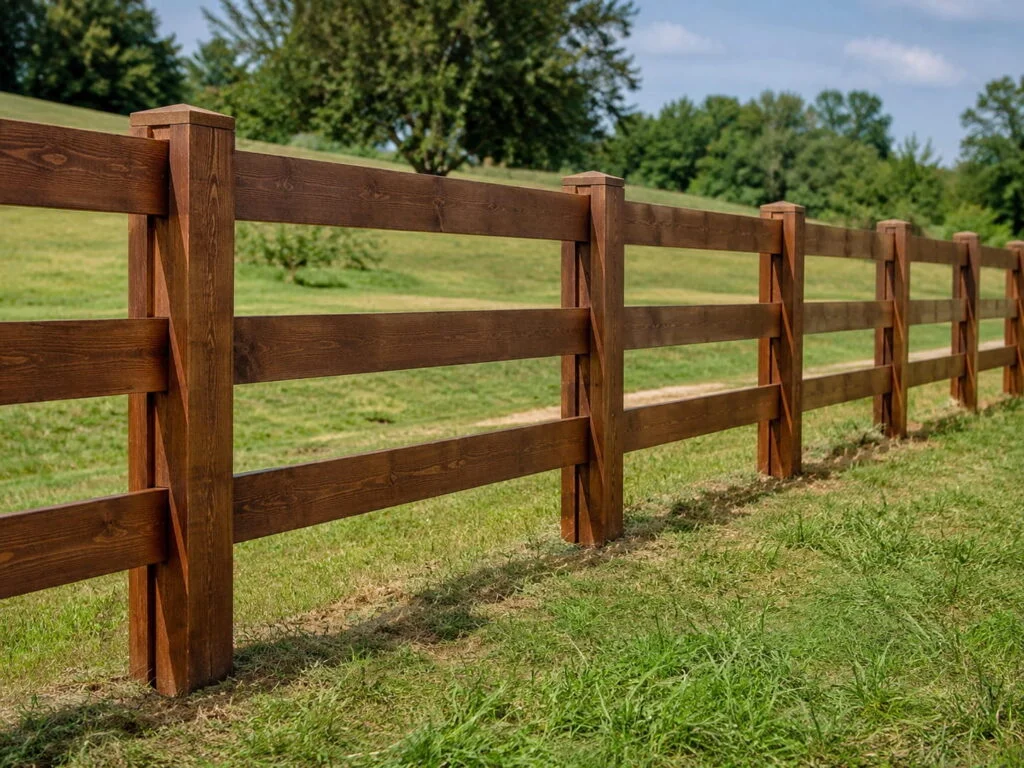
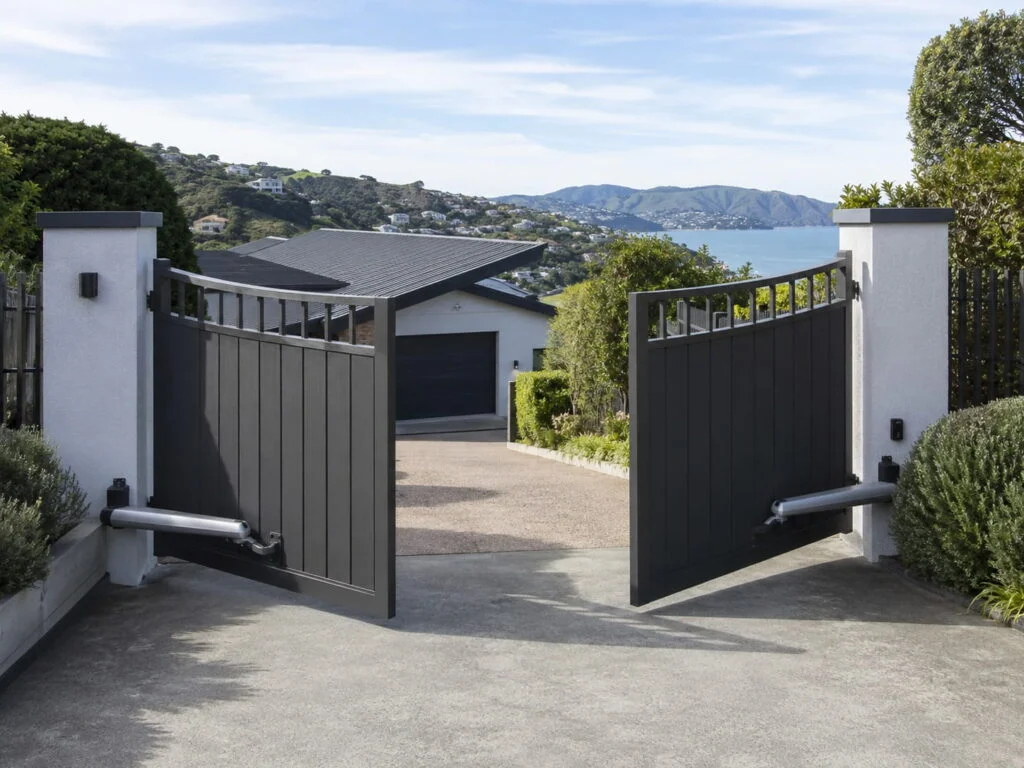
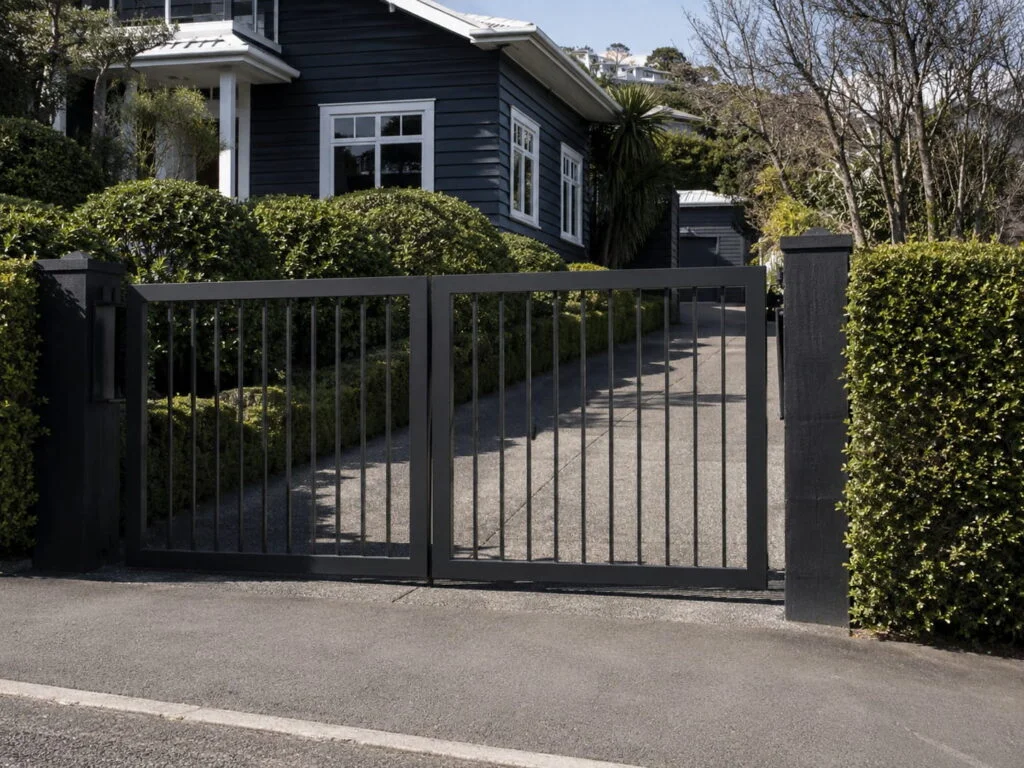
Explore our featured fencing projects across Wellington, showcasing quality workmanship, durable materials, and custom designs tailored to each property. From modern privacy fencing to secure boundary solutions, see why homeowners trust our experienced team for reliable fencing results.
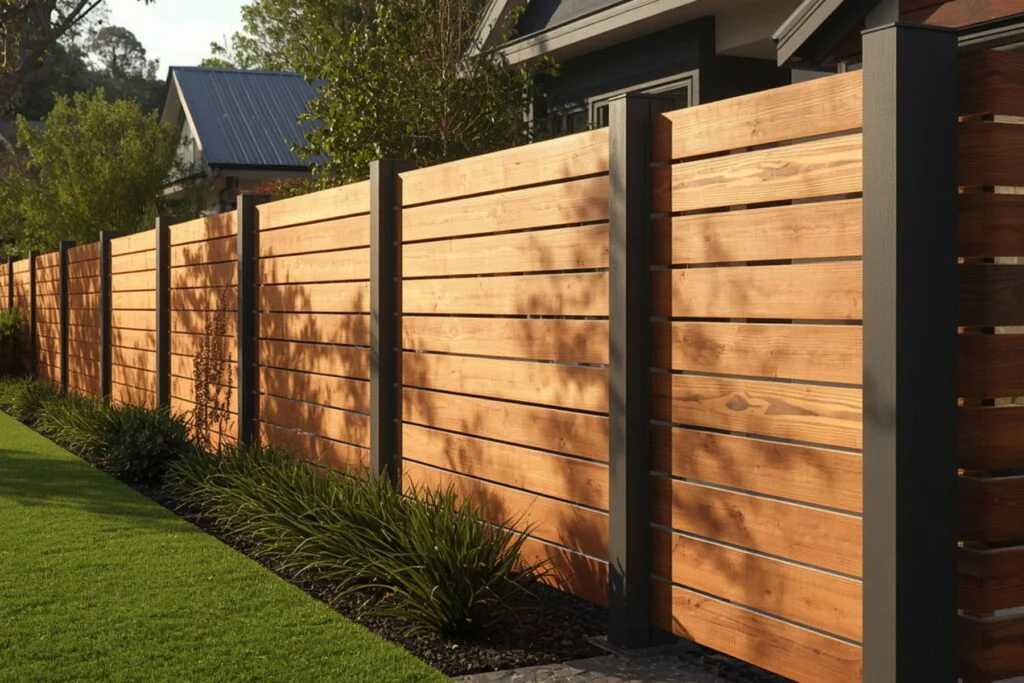


Fence Painting and Staining FAQs
For most rough-sawn paling fences, a stain is easier to live with because it soaks in and doesn't peel. Paint suits smoother timber and picket fences where you want a crisp, solid colour. We'll recommend what suits your fence and how much maintenance you want.
It depends on the timber, the weather and the product. New treated timber often needs time to dry out before it will take a coating well. We check the timber and follow the manufacturer's guidance rather than guessing.
That varies with the product, colour and how exposed the fence is. Sunny, coastal and windy sites wear faster. When the colour fades noticeably or water stops beading on the surface, it's usually time for a refresh.
Yes. Going darker is usually straightforward with good prep. Going from dark to light is harder, especially with stains, and may need more coats or a switch to paint. We'll explain the options before you choose.
Powder-coated metal fences usually just need cleaning. For scratches and chips, touch-up is the best approach. Our painting, staining and sealing service is focused on timber fences.
Give Your Fence a Fresh Finish
Get a free, no-obligation quote from Wellington's trusted fencing team.