Wellington Deck Resurfacing and Board Replacement
If your deck's frame is still solid but the boards are cracked, cupped, splintering or slippery, resurfacing gives you a deck that looks and feels new for a fraction of the disruption of starting again.
Deck Resurfacing and Board Replacement in Wellington
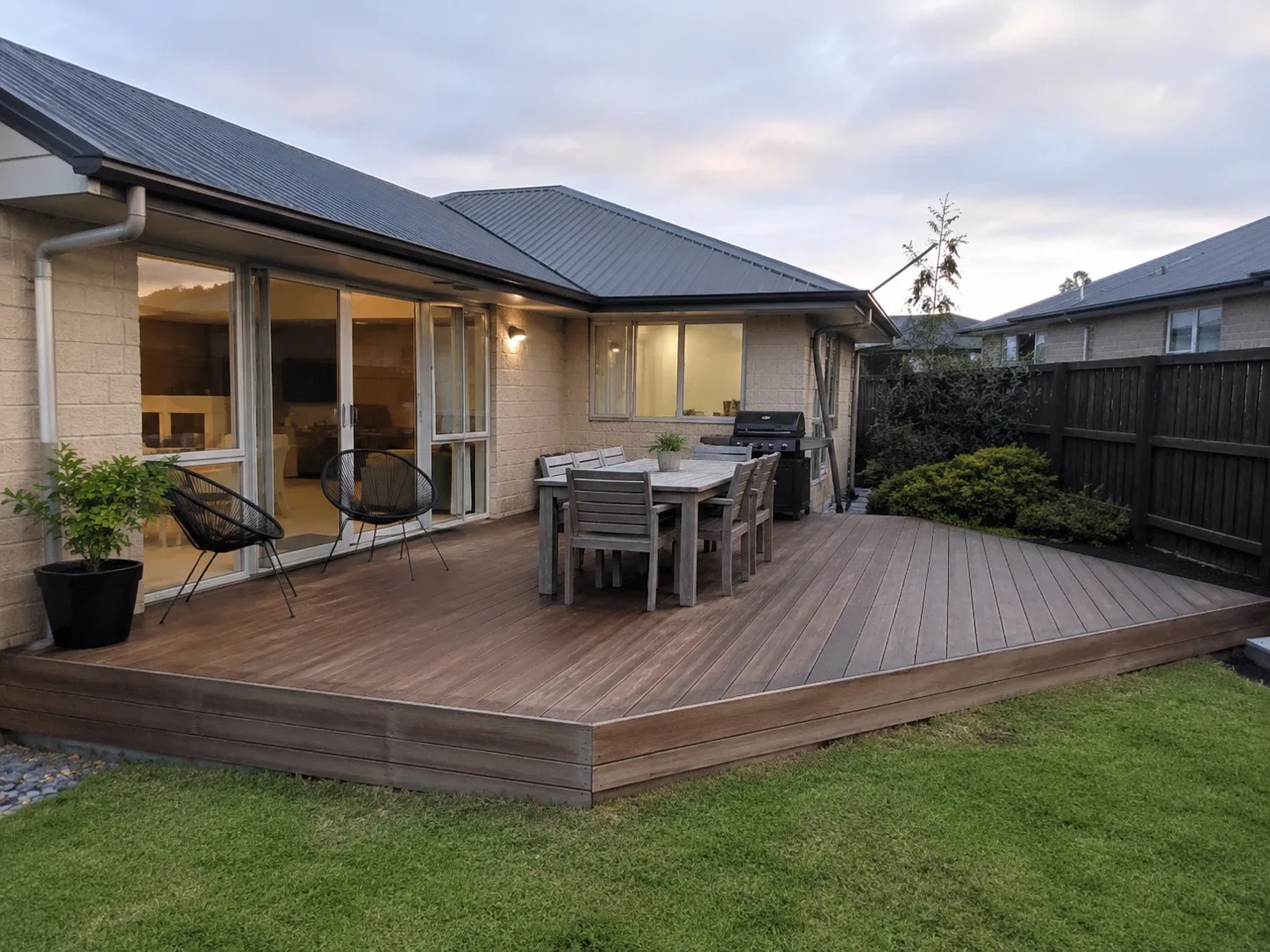
Deck boards take the brunt of the weather. Sun dries them out, rain soaks them, and Wellington's long damp spells leave them grey, furred and slippery. Over the years boards split, cup, lift at the ends and pop their nails, even when the joists and bearers underneath are perfectly sound. As local fence builders in Wellington who also look after decks, we strip off the old surface, check and tidy the frame, and lay fresh boards so you get the benefit of a new deck on the structure you already have.
Resurfacing is also a chance to change things. You can switch board width or colour, move from timber to composite, change the direction of the boards, or upgrade from nails to screws or hidden fixings. We will talk through the options and what each one means for upkeep, grip and cost.
Tell us about your project
Free, no-obligation quote.
Deck Resurfacing and Board Replacement Services in Wellington
Refresh Tired Decks
Worn, weathered or splintered decking can often be restored by replacing boards or resurfacing, giving your deck a fresh appearance without the cost of a complete rebuild. Resurfacing is often a cost-effective way to quickly refresh an older, tired deck.
Check the Structure First
Before replacing boards, we inspect the framing underneath for rot or movement, and repair it where needed, so your new surface is fixed to a sound and stable base. That check protects investment, because new boards on weak frames fail.
Timber and Composite Options
Choose from treated pine, hardwood and composite boards in a range of colours and finishes, helping you select a surface that suits your lifestyle, budget and maintenance preferences. Each material differs in appearance, durability and upkeep, so we help compare.
Slip-Resistant Finishes
Wellington's rain and damp can make decks slippery, so we recommend grooved boards, textured finishes and appropriate treatments that improve grip and safety for your family and visitors. Choosing boards with good grip and treating surfaces properly reduces slipping hazards.
Neat Layouts and Fixings
Clean board lines, consistent gaps and concealed or carefully placed fixings give your deck a professional finish, helping it look good and perform well for years. Careful layout and fixing give decks a professional look, with even gaps, straight lines.
Protect Your Investment
New decking can be sealed or stained to protect against moisture and UV, so we recommend suitable finishes and maintenance, extending the life of your deck and keeping it looking great. Regular maintenance protects new boards and avoids early replacement.
When Resurfacing Is the Right Call
Resurfacing only makes sense if the structure underneath is healthy. Before quoting, we lift a few boards and check the joists, bearers and piles. If the frame needs work, we will tell you, and our deck building team can advise on repair or replacement instead.
Resurfacing is usually a good fit when:
- Boards are split, cupped or splintering
- Nails keep lifting no matter how often you punch them
- The surface is slippery even after cleaning
- Boards are worn thin in high-traffic areas
- The deck feels firm, with no bounce or sway
- You want a new look without changing the layout
Decking Materials for Resurfacing
The board you choose affects how the deck looks, how it handles the weather and how much care it needs. We will explain the trade-offs honestly rather than pushing one option.
Treated Pine
Practical and budget-friendly. Takes stain well and is easy to replace board by board later, but needs regular oiling or staining.
Hardwood
Rich colour and a dense, hard-wearing surface. Weathers to silver if left untreated, or can be oiled to keep its colour.
Composite
Consistent colour and very low upkeep. Joist spacing must suit the product, which we check before recommending it.
Replacing Individual Deck Boards
Not every deck needs a full new surface. If a handful of boards have failed, perhaps under a downpipe, beside a planter or where the barbecue sits, we can replace just those boards and match them as closely as possible to the rest.
Board replacement covers:
- Cracked, rotten or broken boards
- Boards damaged by water pooling or leaks
- Burnt or stained boards near barbecues
- Loose boards and lifted board ends
- Worn stair treads and nosings
- Trimming and re-fixing uneven board edges
New timber will look brighter than weathered boards at first. Staining the whole deck afterwards helps everything blend, and we can arrange that too.
What Goes Into a Good Resurface
The details are what make new boards last. Skipping them is why some resurfaced decks start lifting and cupping again within a few seasons.
- Checking every joist once the old boards are off
- Protecting joist tops from trapped moisture
- Planing or packing joists for a flat surface
- Consistent board gaps for drainage and airflow
- Fixings suited to the board and exposure
- Sealing cut ends on timber boards
- Clean, square edges and trims
- Removal and responsible disposal of old boards
Why Choose Our Deck Resurfacing and Board Replacement Contractors in Wellington
Replacing boards can bring an older deck back to life, but only if the structure underneath is sound. Our contractors inspect framing first, repair rot or movement and then lay new boards on a stable base. You can choose treated pine, hardwood or composite decking in colours and finishes that suit your home, with grooved or textured options that improve grip in Wellington's wet weather. Neat layouts, consistent gaps and quality fixings give a professional finish. We also recommend sealing or staining to protect your investment, helping your refreshed deck look good and last longer. Clear quotes keep costs predictable.
Deck Resurfacing Contractors in Wellington: How We Work
1. Lift and Assess
We lift sample boards, check the frame, measure up and talk through board options. Then you get a clear written quote.
2. Strip and Prepare
Old boards come off, the frame is checked again in full, any small fixes are made and the joists are prepared for the new surface.
3. Lay and Finish
New boards are laid, fixed and trimmed, the site is cleaned up and old timber is taken away for disposal.
Selected Local Work
Wellington Fencing Projects
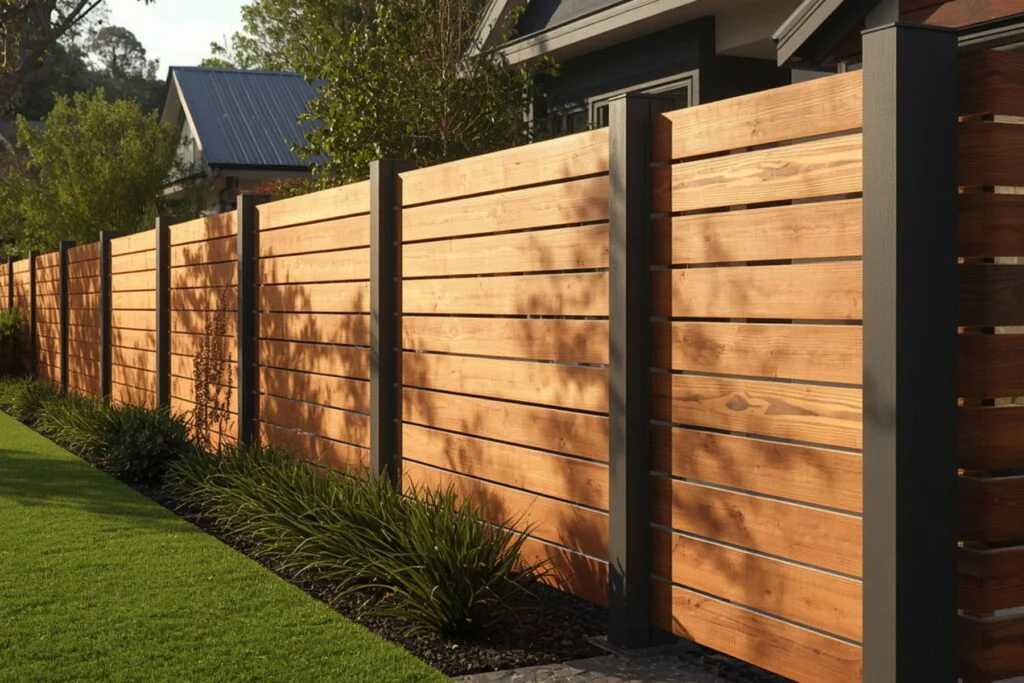
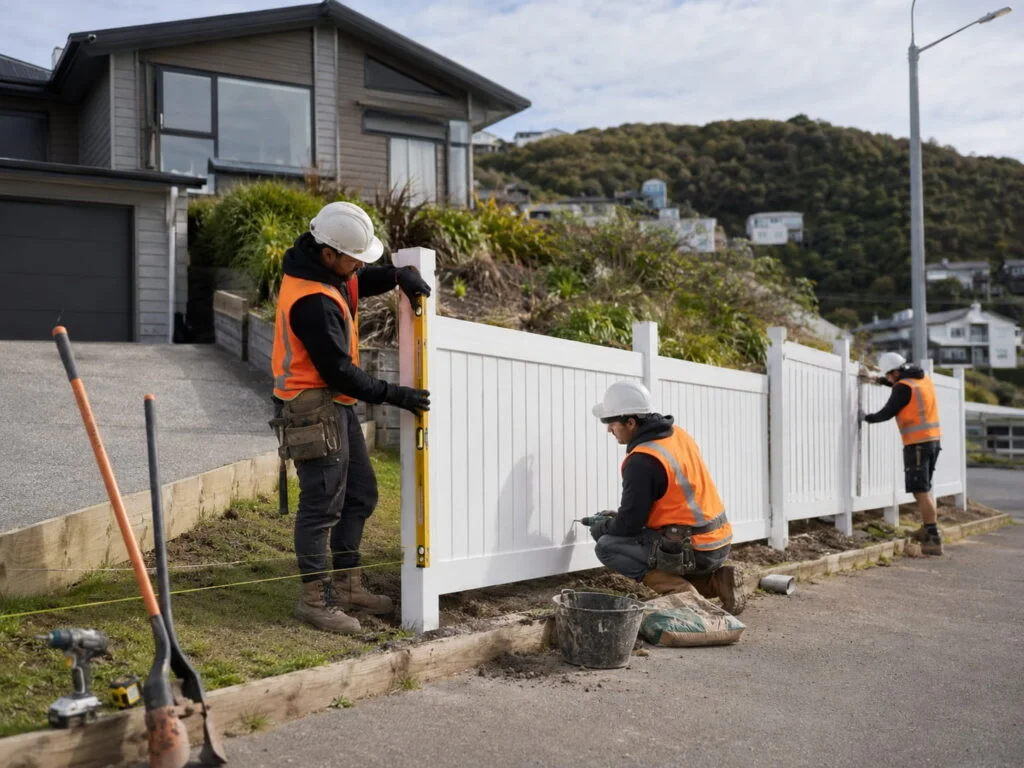
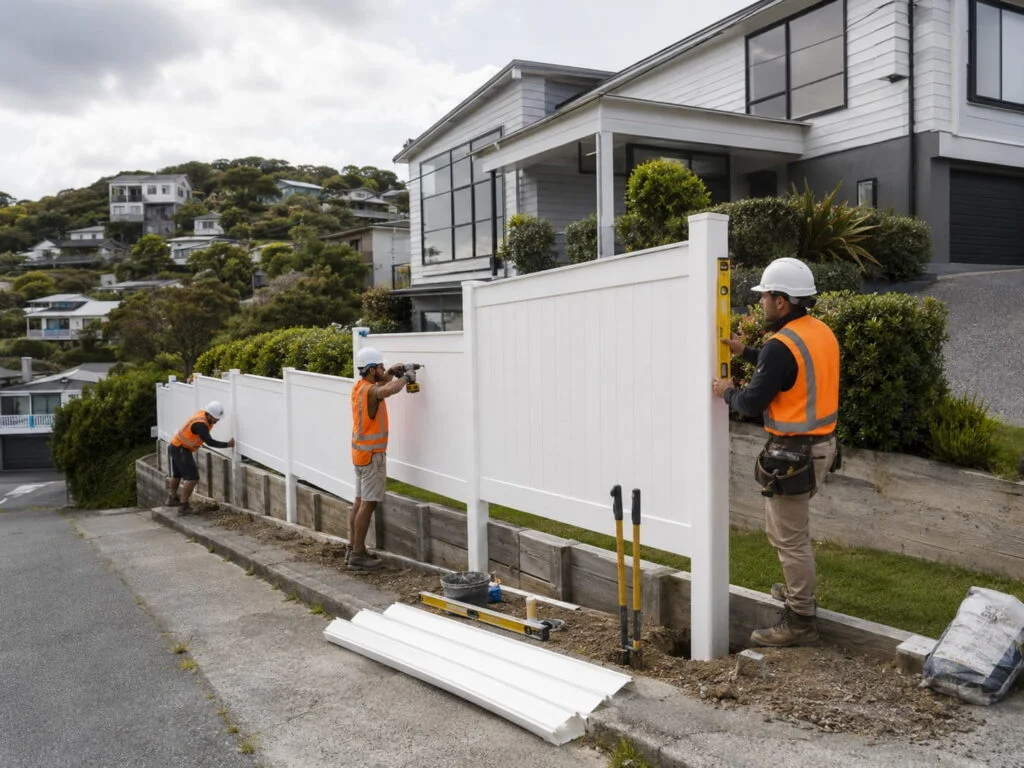
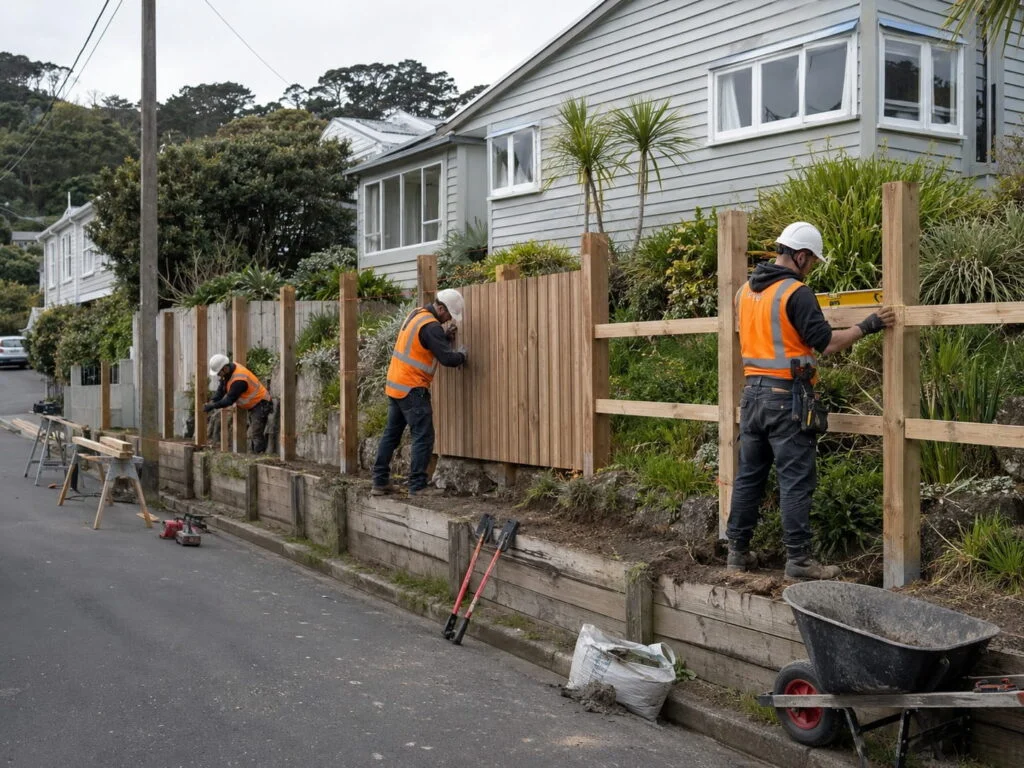
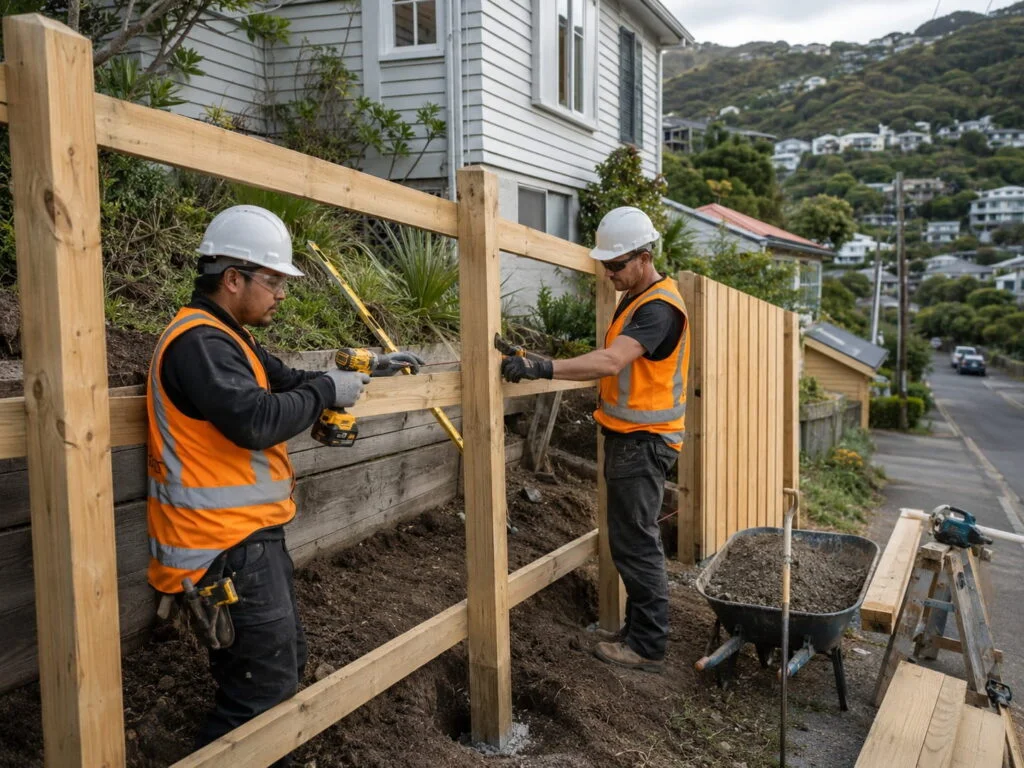
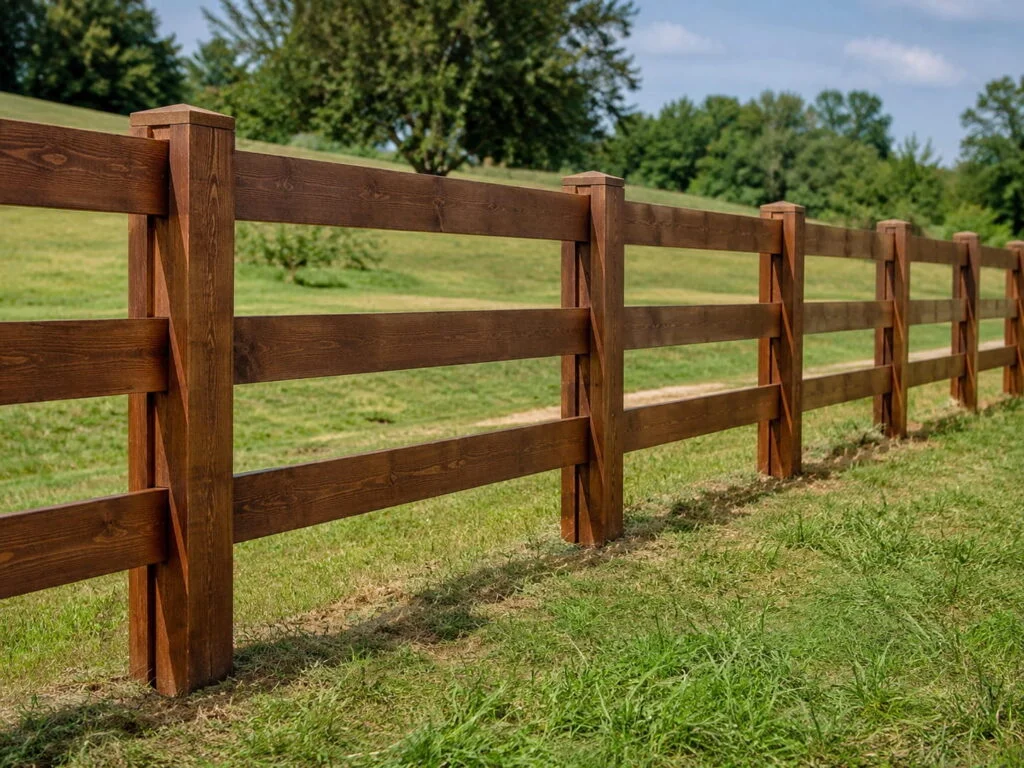
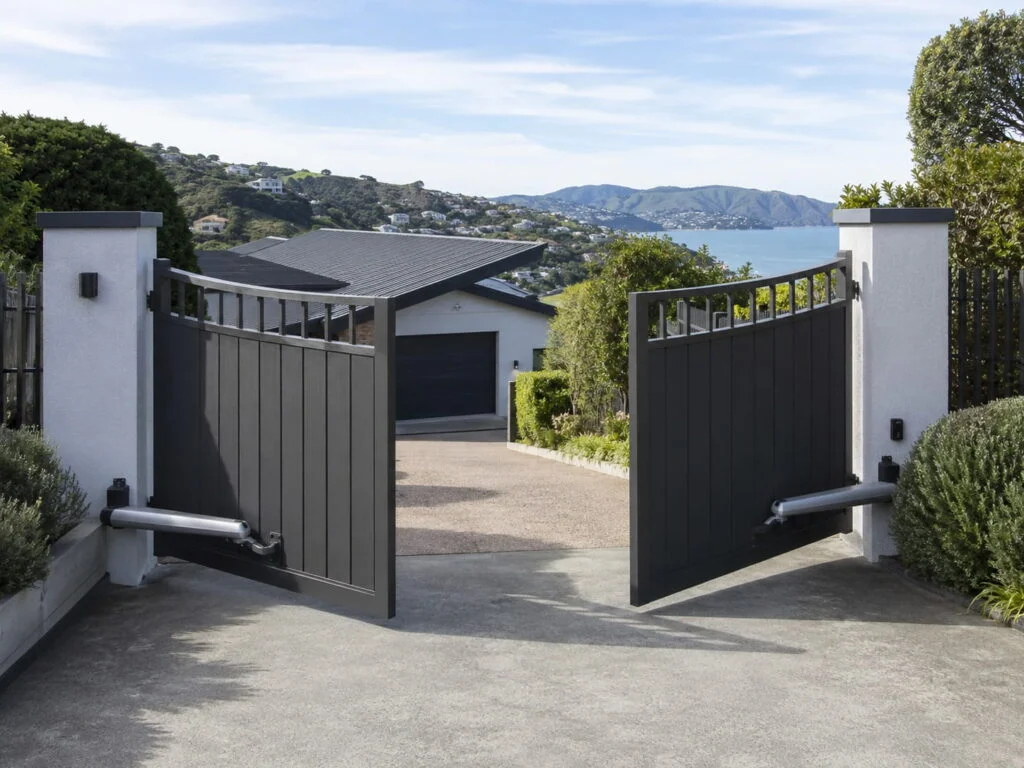
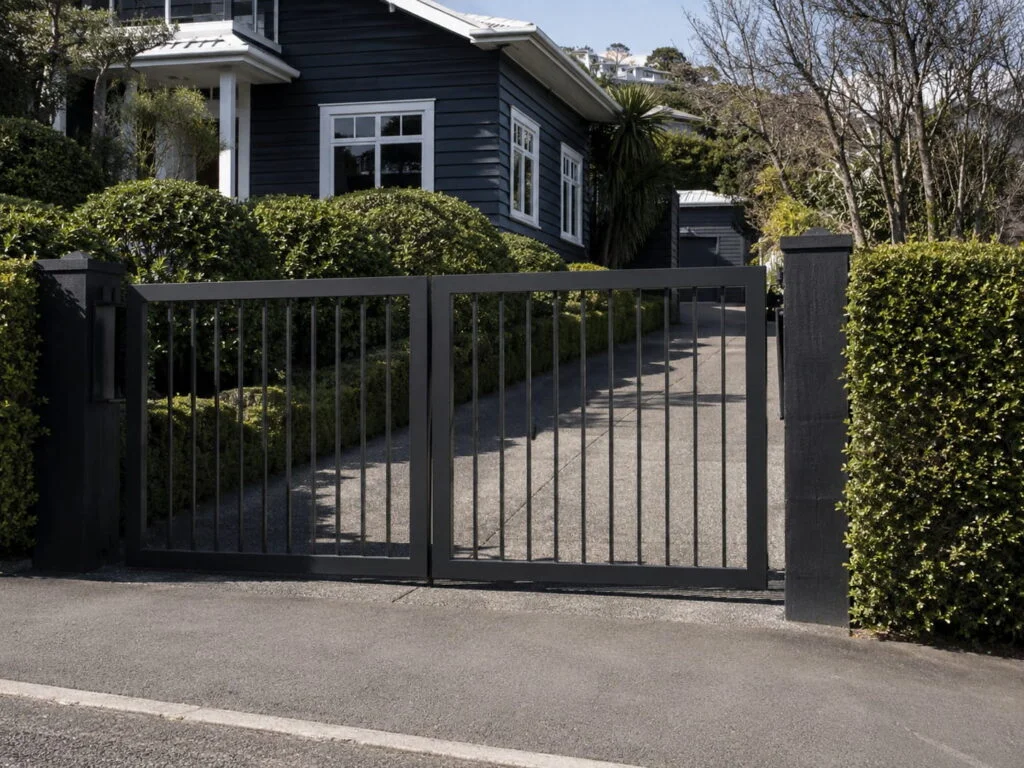
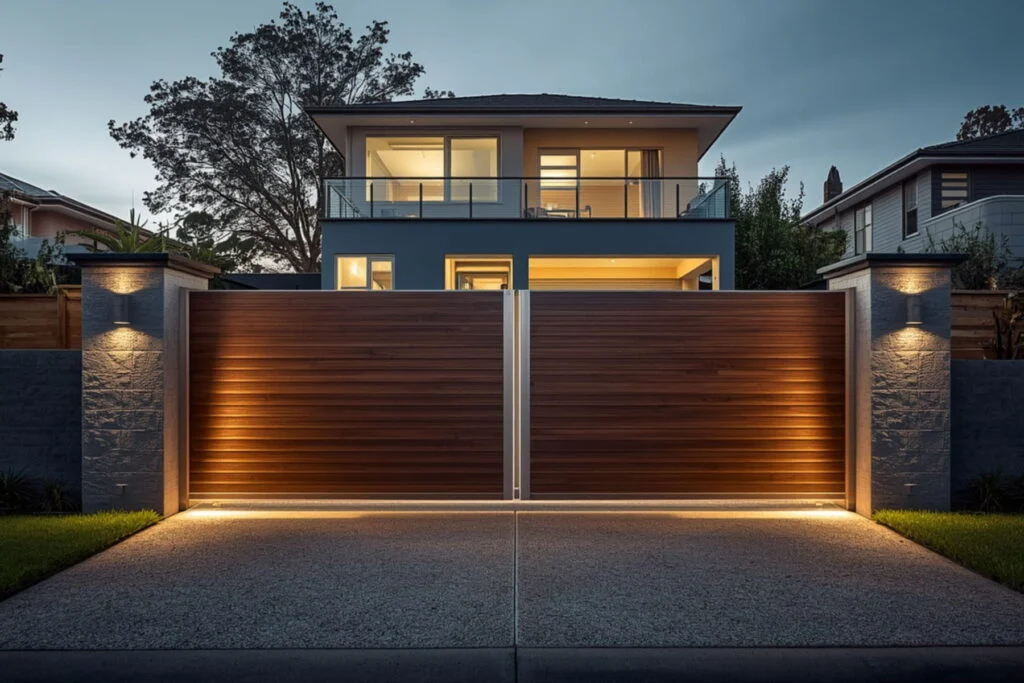
Explore our featured fencing projects across Wellington, showcasing quality workmanship, durable materials, and custom designs tailored to each property. From modern privacy fencing to secure boundary solutions, see why homeowners trust our experienced team for reliable fencing results.
Deck Resurfacing FAQs
Resurfacing replaces the boards and keeps the existing frame and piles. A rebuild replaces the structure as well. Resurfacing only works if the frame is sound, which we check before quoting.
Often, yes, but composite boards usually need closer joist spacing than timber. If your joists are too far apart, we can add extra joists in between so the new boards are properly supported.
We stop and show you. Small sections can usually be replaced or strengthened on the spot, and we agree the cost with you before doing any extra work.
We match profile and width as closely as we can. Colour will differ at first because the old boards have weathered. Staining the whole deck afterwards is the best way to even it out.
We remove them and dispose of them responsibly. Old treated timber should never be burned, so it goes to appropriate disposal rather than a backyard fire.
Give Your Deck a Fresh Surface
Book a free site visit and find out whether resurfacing is right for your deck.